

Affirma roadmap
Reduce Complexity. Gain Business Value.
Affirma roadmap positions you for the future
We designed Affirma with an end-goal of providing faster, quality access to your data for different vendor solutions, analytics platforms, and ultimately for solid decision making in support of business vision and strategy.
The Affirma Roadmap gives you visibility into our planned capability expansions. We are looking short-term and have developed our long-term plan and vision.
We offer the opportunity for clients to collaborate and help drive product development through our strategy sessions.

Short Term Roadmap

Data Design and Quality
Enhance data quality and modeling by using constraints and reference models to generate validated XSD structures, build enterprise semantic models, and enable highly customized, controlled schema designs.
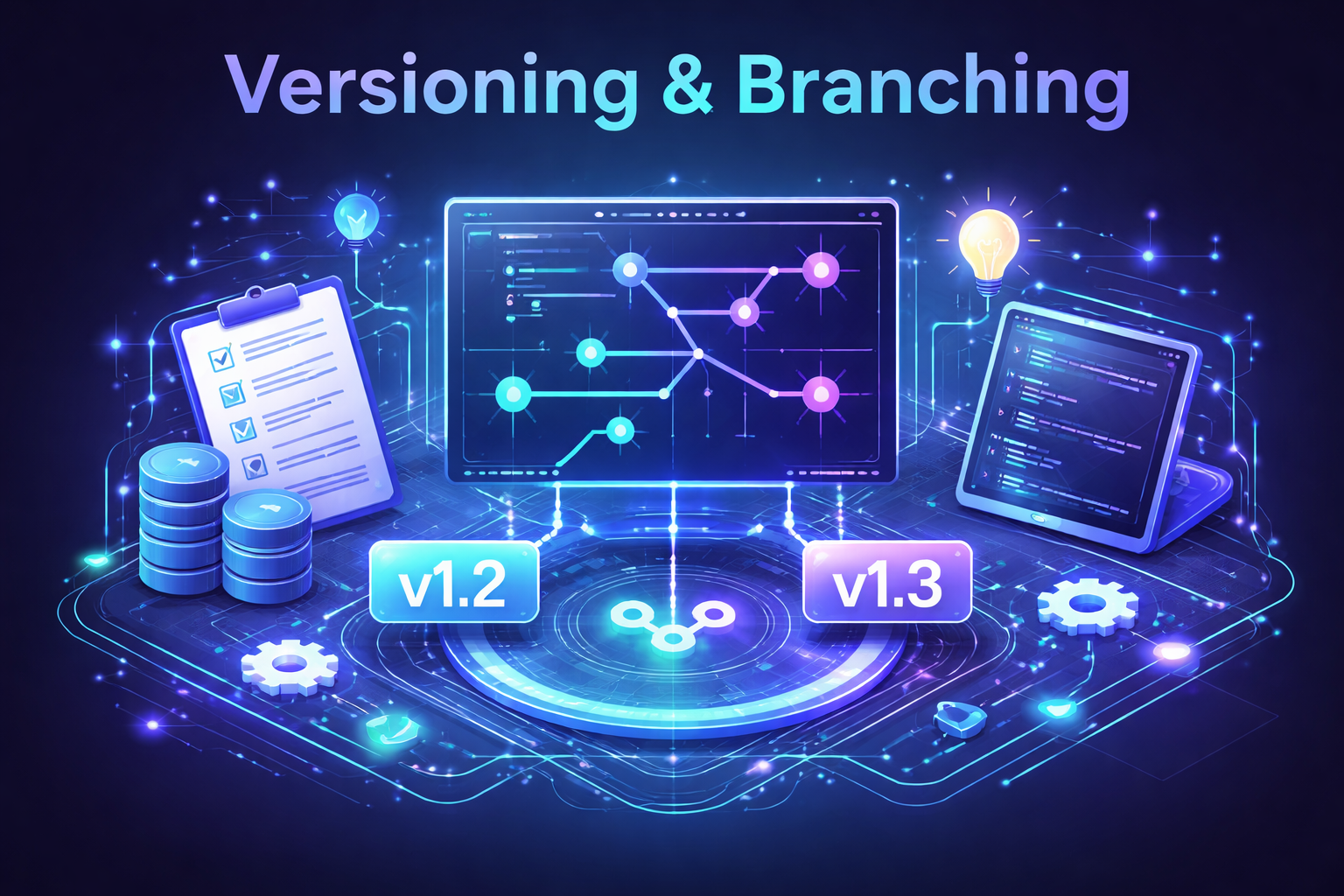
Versioning and Branching
Establish a structured, version-controlled modeling workflow that enables branching for independent changes, incorporates governance and approvals, and merges validated updates into a controlled main branch.
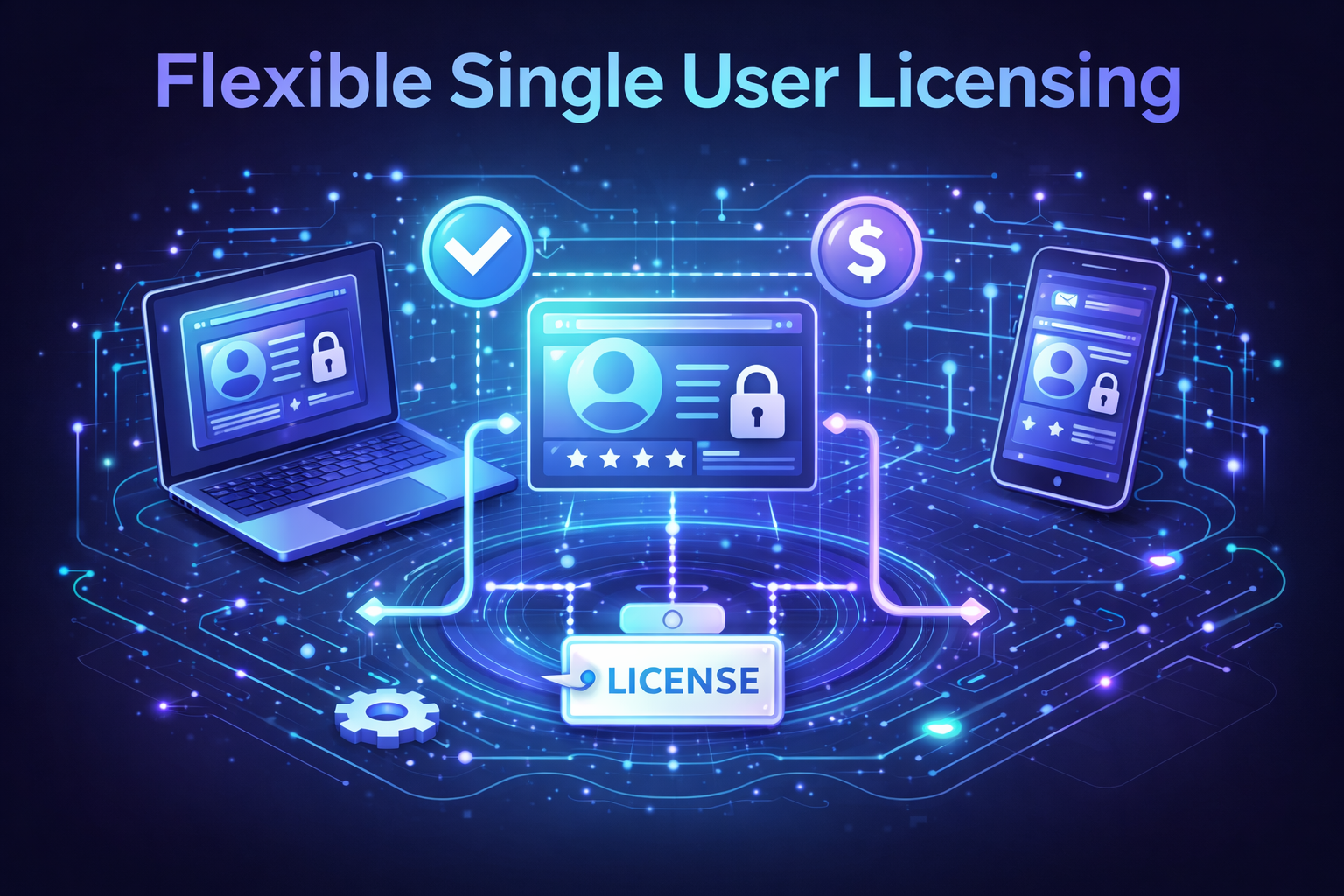
Licensing
Offer flexible single-user and enterprise licensing options that enable initial testing and adoption while supporting scalable expansion across broader user groups.
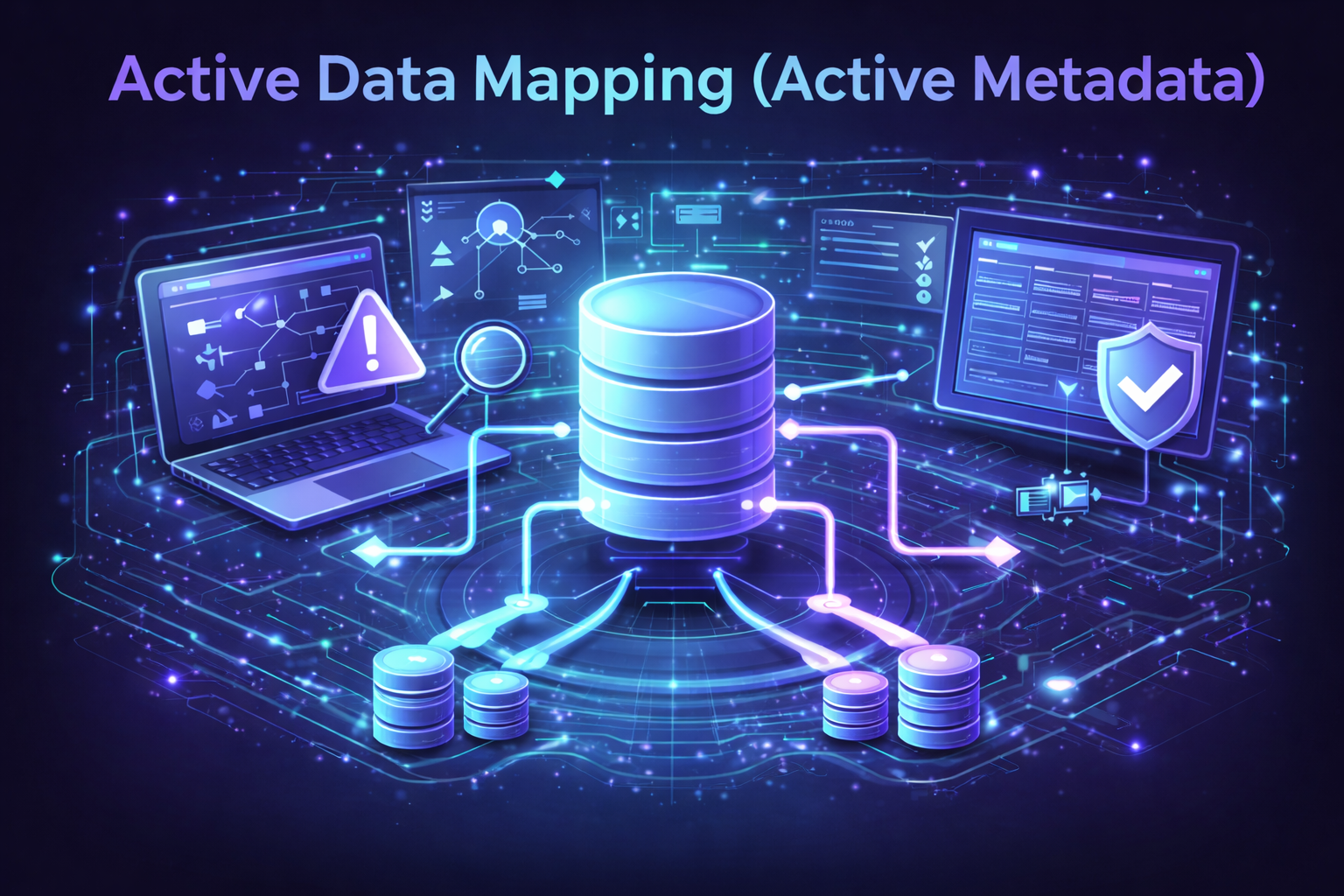
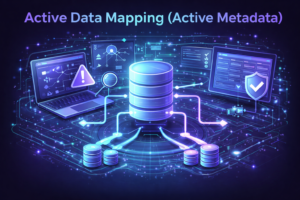
Active Data Mapping (Active Metadata)
Utilize Affirma knowledge graph to auto generate mappings dynamically by using the platform’s semantic model and lineage intelligence.
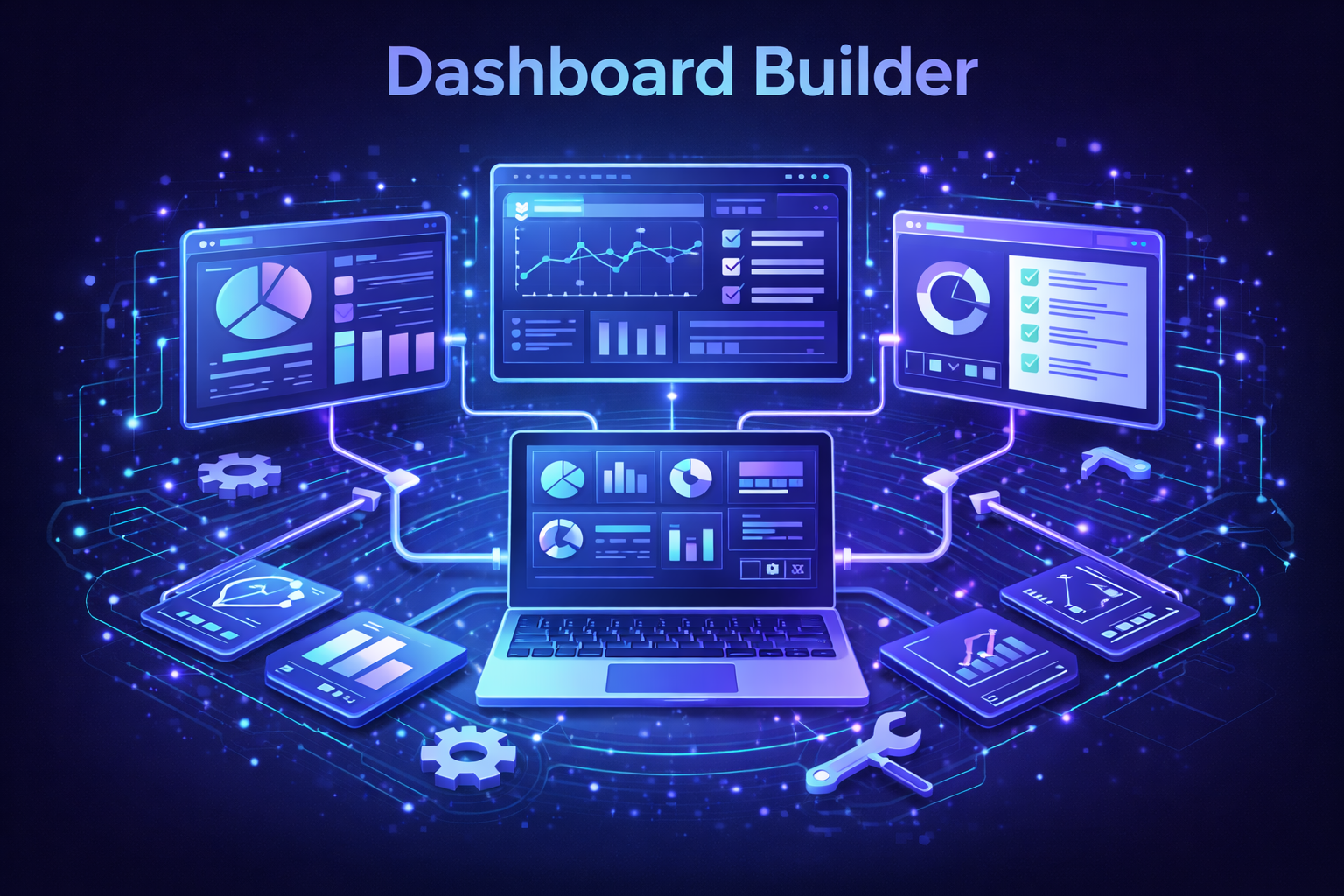
Active Dashboard Builder
Enable users to generate dashboarding and reporting with related Affirma data.
Long Term Roadmap
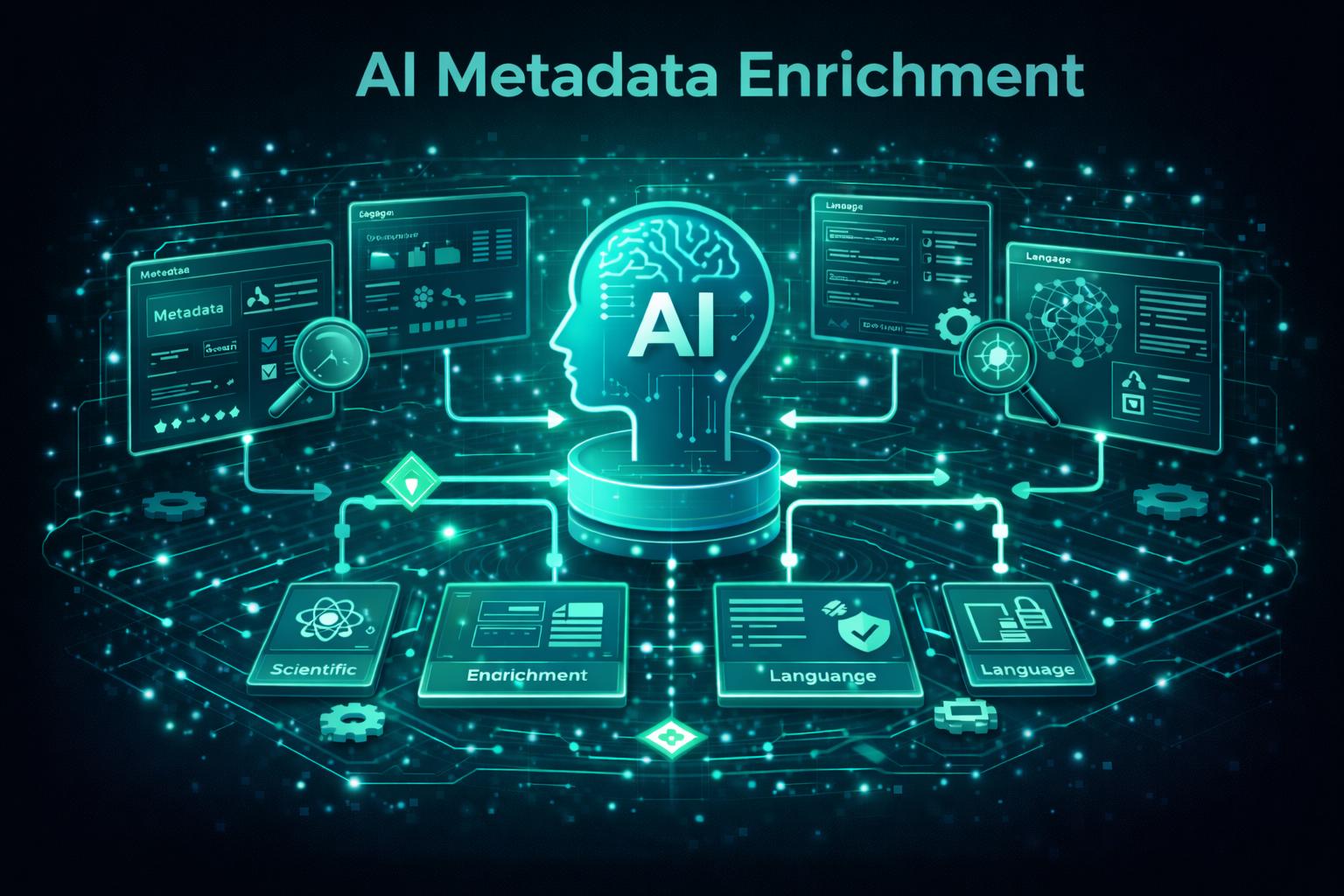
AI Metadata Enrichment
Use AI/ML techniques to automatically enhance metadata across datasets, schemas, and documentation. The platform analyzes table structures, column names, and usage patterns to infer business meaning, relationships, classifications, and ownership. This reduces the manual effort required to build a usable data catalog and helps rapidly scale governance programs.
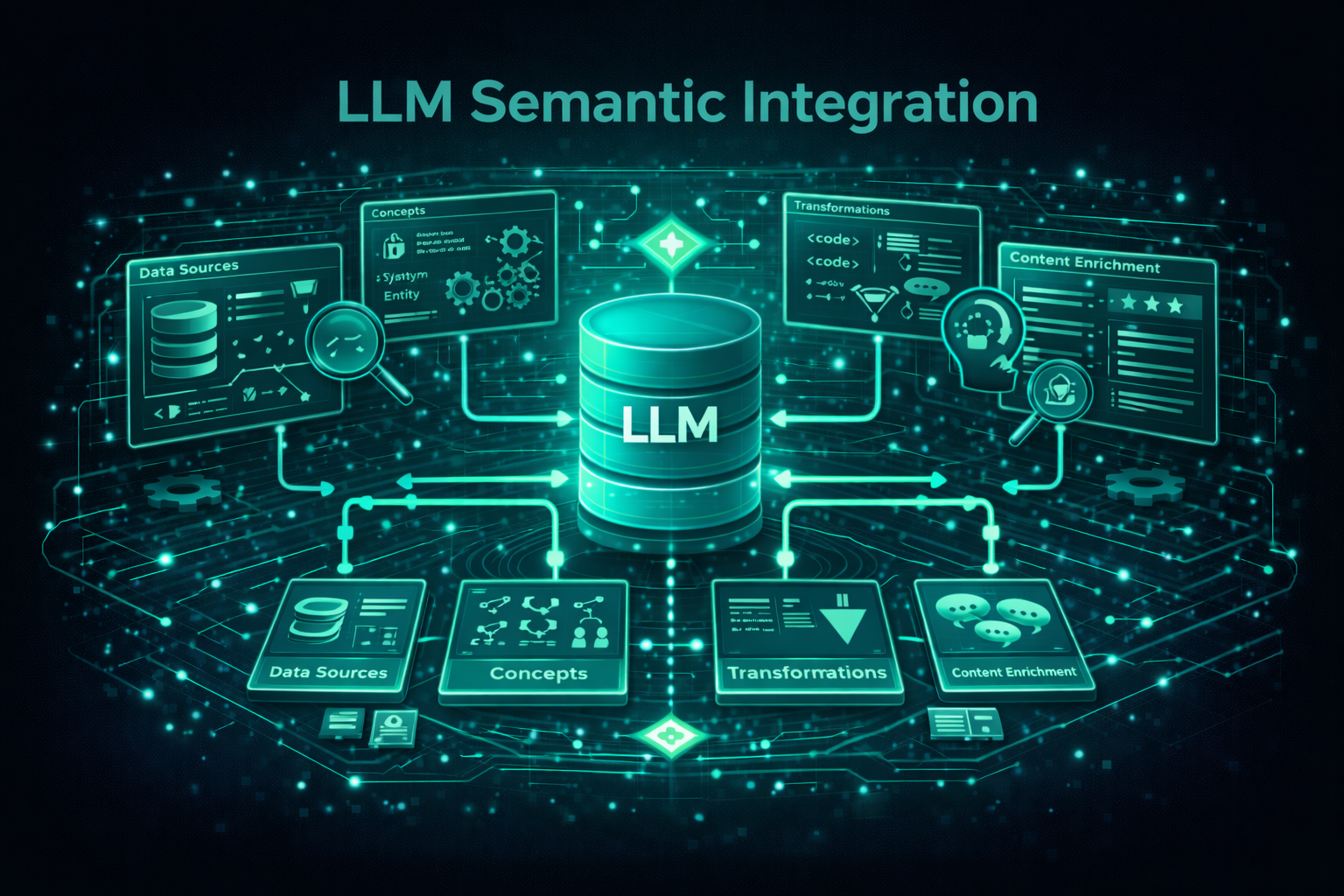
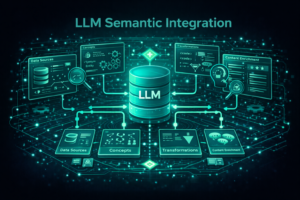
LLM Semantic Integration
Integrate large language models directly with Affirma’s semantic layer and ontology framework so AI systems can interpret enterprise data using business context rather than raw schemas. The semantic model provides structured meaning, relationships, and governance metadata that guide LLM reasoning and reduce hallucinations.
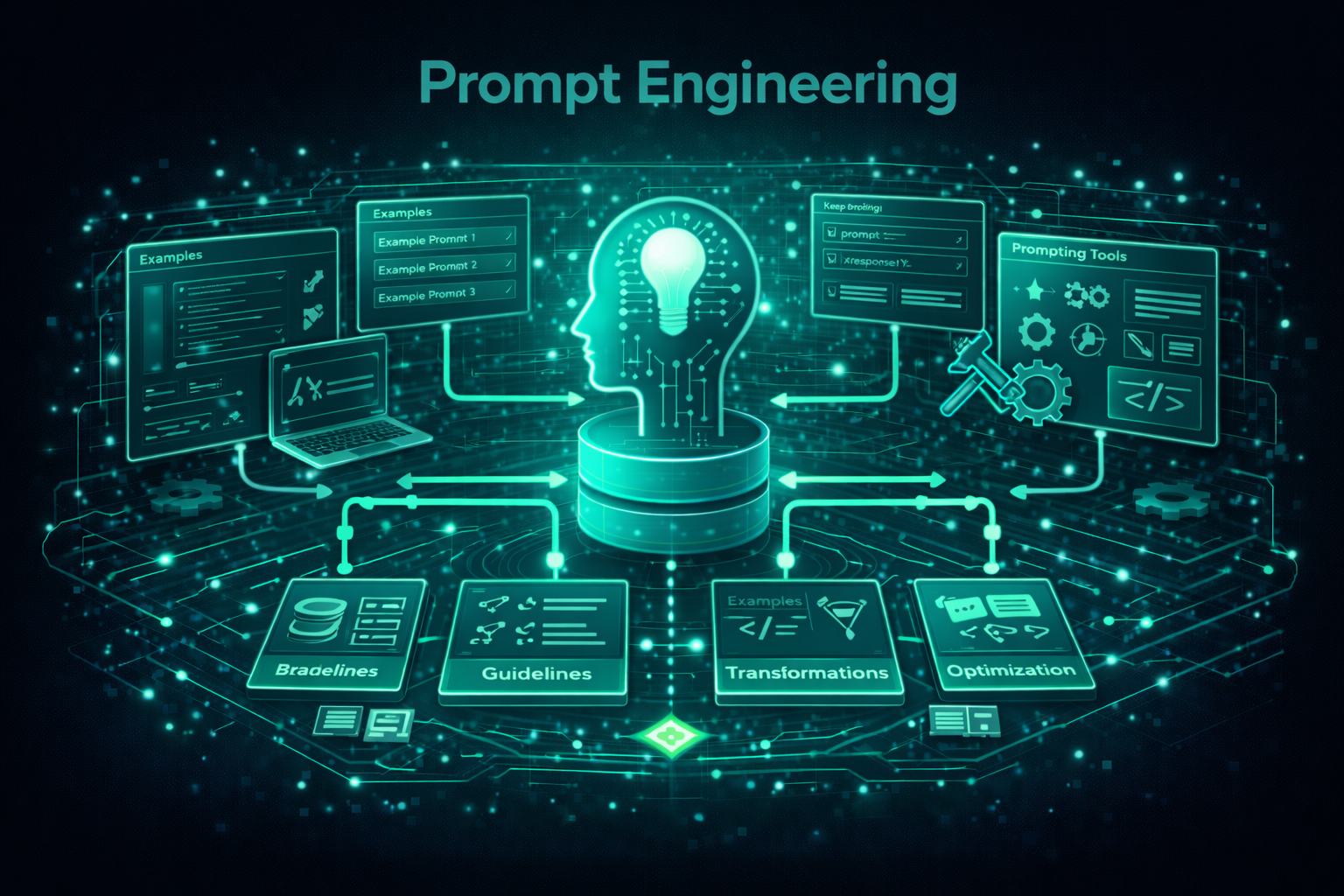
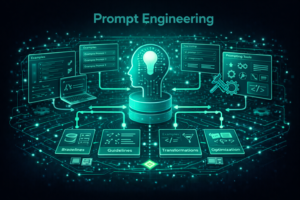
Prompt to Data Mapping
Translate natural language questions into structured queries by leveraging the semantic model, business glossary, and ontology relationships. Business users can ask questions in plain language and the platform maps the question to the correct datasets and fields.
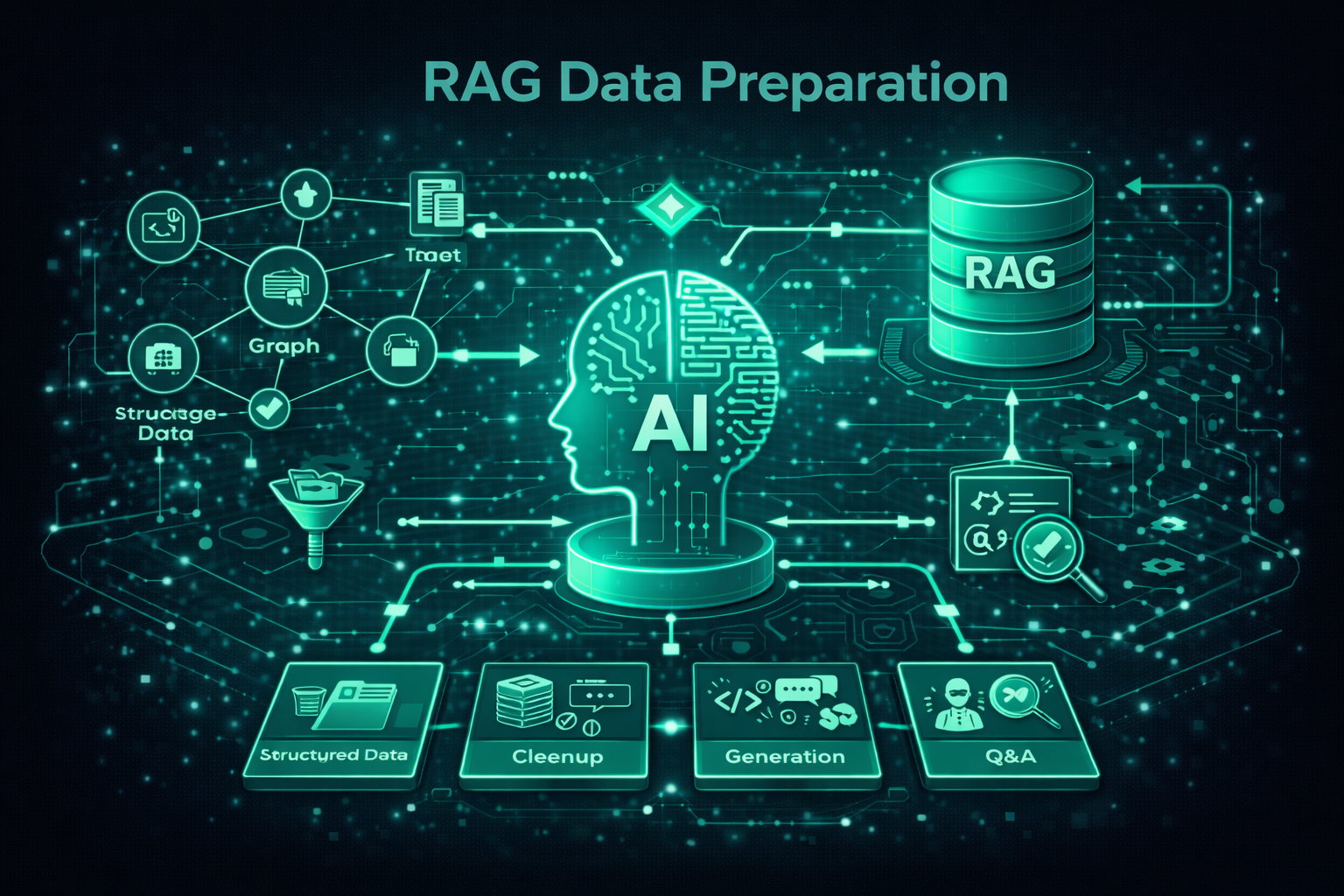
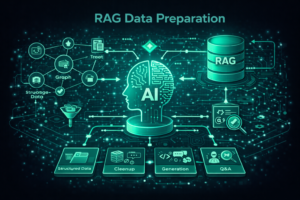
RAG Data Preparation
Prepare enterprise datasets and knowledge sources so they can support Retrieval-Augmented Generation (RAG) architectures used by generative AI applications. Affirma organizes enterprise knowledge through semantic relationships and metadata enrichment so LLMs can retrieve accurate context.
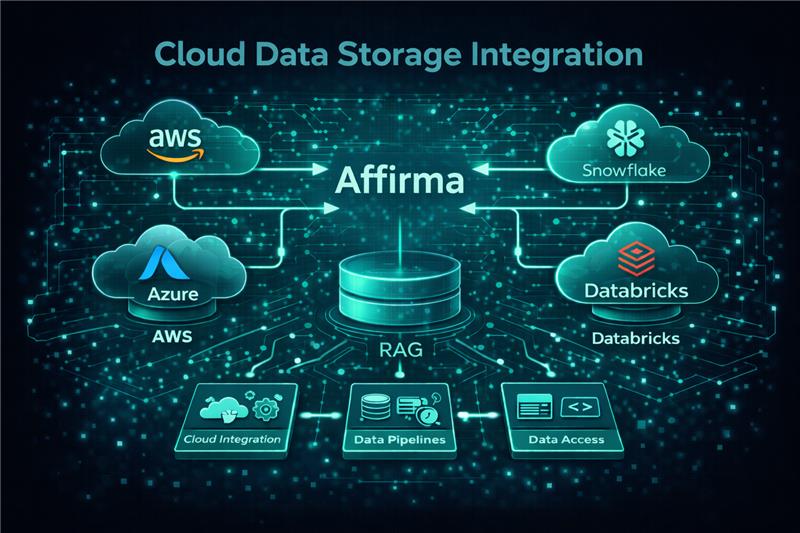
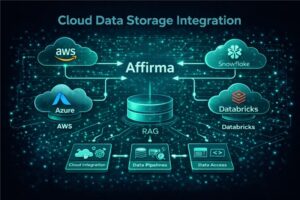
Cloud Data Storage Integration
Provide deep integration with modern cloud data platforms to enable automated metadata harvesting, lineage capture, and semantic model mapping. The initial focus will be tight integration with Databricks lakehouse environments, followed by broader AWS cloud data platform integration, enabling Affirma to operate seamlessly within enterprise data lake architectures.