

Why Data Quality Is Challenging
Data quality is difficult because modern organizations generate and move data across many systems, teams, and processes. Information is created in different formats, updated at different times, and often lacks consistent definitions.
For example, a “customer” might be defined differently across systems like CRM and billing platforms. As data flows through pipelines and transformations, small issues—such as missing values, duplicates, or schema changes—can accumulate over time. This challenge is compounded by distributed data ownership, which makes it harder to enforce standards and resolve issues quickly.
Common challenges include:
- Inconsistent definitions across systems
- Missing, duplicate, or outdated data
- Frequent schema and pipeline changes
The Impact of Poor Data Quality
Poor data quality affects analytics, AI, and compliance in meaningful ways.
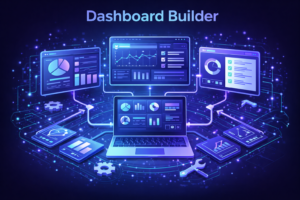
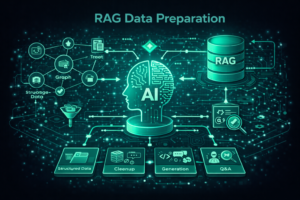
In analytics, unreliable data leads to misleading dashboards and weak decision-making. In AI and machine learning, the risks are even greater—models trained on low-quality data can produce biased results, inaccurate predictions, or automation failures. In regulated environments, incomplete or incorrect data can result in reporting errors, audit failures, and compliance violations.
Why Data Quality Matters More Than Ever
As organizations become more data-driven, the importance of data quality continues to grow. Data now powers real-time decision-making, customer experiences, and AI systems—not just reporting.
At the same time, regulatory scrutiny around governance and transparency is increasing. Without high-quality, well-governed data, organizations risk undermining the effectiveness of their analytics, AI initiatives, and compliance programs.
How Affirma Improves Data Quality
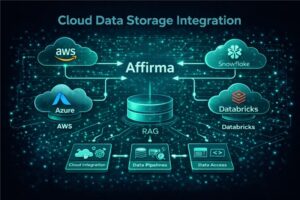
The Affirma platform helps organizations address data quality challenges by improving consistency, accuracy, and transparency.
Key capabilities include:
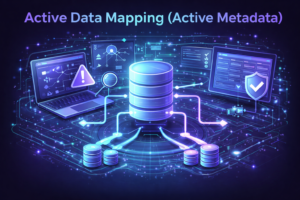
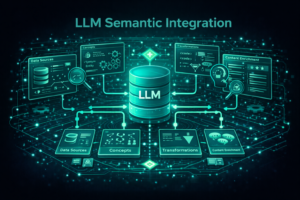
- Standardized definitions through a semantic model to ensure consistency across systems
- Data profiling to identify and resolve issues like missing or inconsistent data
- Data lineage to track how data moves from source to consumption
- Centralized governance to manage transformations and maintain data integrity
Together, these capabilities reduce errors, improve trust in data, and enable more reliable analytics, AI outcomes, and compliance reporting.